
A Family History of Grief
Deception PointThis flow traces how Katherine Sexton’s death shapes Rachel’s independence and how the memory of a mother’s voice accompanies her through the novel’s crises.
increasing Bearing strength in each event
 decreasing
Bearing strength in each eventdecreasingA Last Shared Journey
A Last Shared Journey
A difficult invitation
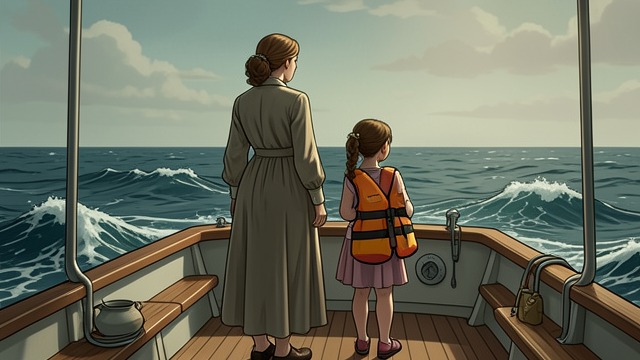
Katherine persuades Rachel to join her on a mother-daughter cruise despite Rachel’s anxiety about open water. She wants her daughter to confront the fear rather than let it govern her life.
The journey becomes the last trip they share, giving its memories a later poignancy that neither can foresee.
A lesson carried forward
Katherine’s insistence is loving but demanding. She wants Rachel to become resilient without denying that fear is real.
The memory of the cruise becomes part of Rachel’s complicated relationship with water, which returns during the Arctic and ocean emergencies.
The Final Thanksgiving Call

The Final Thanksgiving Call
A missed reunion
Rachel calls home from a snowbound airport and learns that Sedgewick will not join Katherine for Thanksgiving. Katherine sounds disappointed but decides to take the meal to relatives.
Rachel feels guilty for being delayed and angry that her father has chosen not to come.
A loss that changes everything
Katherine dies in a car crash on the way to dinner. Rachel arrives to find her father presenting the family tragedy to the press.
The ordinary separation of the holiday becomes the last conversation Rachel has with her mother, shaping her distrust of the story her father tells about himself.
A Mother’s Voice
A Mother’s Voice
Memory inside danger
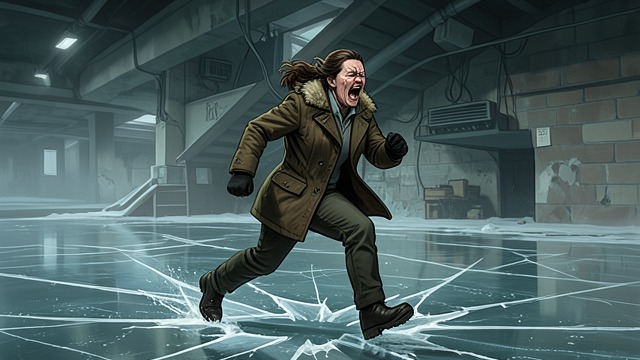
As Rachel is dragged across the ice toward the ocean, the speed and cold bring back the childhood incident in which she fell beneath a frozen pond. Her mother’s voice accompanies the memory.
The recollection is not merely a flashback; it returns the practical instruction that once helped Rachel survive.
A learned resilience
Rachel uses the remembered lesson to keep acting, even when the situation seems beyond her control. Her mother’s influence operates as an internal source of courage.
The scene turns grief into a living relationship that can guide rather than immobilize her.
The Sinking Cockpit

The Sinking Cockpit
Fear returns in full
Trapped inside the damaged submersible, Rachel experiences the same bodily terror she knew as a child under the ice. The sealed hatch and rising water make the childhood memory feel immediate.
She hears her mother calling her to fight and kick, even as the darkness threatens to overwhelm her.
Memory becomes action
Rachel uses the instruction to drive her feet into the acrylic dome until the damaged seal opens. The remembered words become a physical means of escape.
Her survival joins maternal love to independent action: the lesson helps, but Rachel herself must perform the decisive act.
Grief Reframed
Grief Reframed
The past remains present
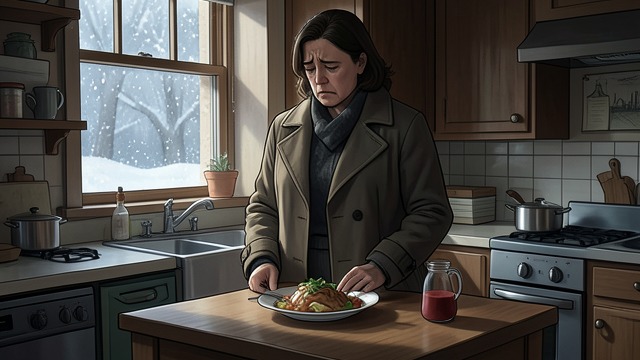
Rachel’s experiences with her mother and father continue to shape her choices after the immediate danger ends. She cannot return to a family life that existed before Katherine’s death.
Yet she no longer measures her worth by whether Sedgewick recognizes her or offers her the care he withheld.
Inheritance without repetition
Katherine’s strength becomes something Rachel can carry without repeating her mother’s endurance of a damaging marriage. The memory supports independence rather than obliging Rachel to forgive her father.
The emotional resolution is not closure from grief but a clearer ability to distinguish love from submission.
Six years before the Arctic events
Three years before the main events
During the balloon escape on the glacier
Near dawn inside the Triton
After Rachel and Tolland reach the White House
